In which the reader is asked, quite simply, What is an Algorithm? — and finds the answer rather older, and rather stranger, than expected.
Being an account of cogs and looms and engines of brass; of Signor Pascal's calculating box and Mr. Babbage's unbuilt Engines; of a certain Lady Lovelace who saw further than most; and of sundry other contrivances got up by ingenious persons long before any machine was called a computer.
Wherein two short films are watched, in the company of a partner to be consulted not once but twice; wherein old Euclid's method is recalled, some two thousand years and more since first he wrote it down; and wherein, at the last, the curious Persian origin of a word now spoken a thousand times a day — one al-Khwarizmi's own — is at length discovered.
Question of the day: What is an algorithm?You already use the word casually — "the algorithm" recommends your videos, "the algorithm" decides your feed. But what, precisel...
Turn to the person next to you. Two minutes, no googling.Together, try to answer: what is an algorithm? Give one example each, if you can.Don't worry about being "right" —...
What surprised you?Notice how many of these — the abacus, Pascal's calculator, the Jacquard loom, Babbage's engines — are not computers in our sense at all. They're ...
Strip away the brass gears, the steam, the punch cards — what's left in each of those machines is the same abstract thing: a precise, repeatable sequence of steps that tur...
An algorithm is a finite, well-defined sequence of steps that transforms a given input into a desired output.Finite — it has to actually end, eventually.Well-defined &mdas...
You run algorithms all the time without a computer in sight.A recipe: fixed steps, specific ingredients (input), a finished dish (output).Long division, tying your shoelaces, th...
Euclid described an algorithm for finding the greatest common divisor of two numbers around 300 BCE — still taught today, still called Euclid's algorithm.Long division as ...
Back to your partner. Compare: how close was your first guess to the definition we just built together?This time, try to name an algorithm from your own daily life that has noth...
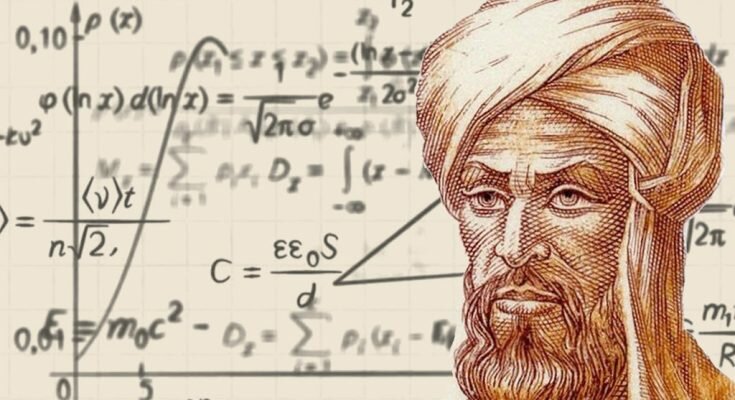
Muhammad ibn Musa al-Khwarizmi, a 9th-century Persian scholar working in Baghdad's House of Wisdom, wrote a treatise on systematic methods for solving equations.His name, Latini...
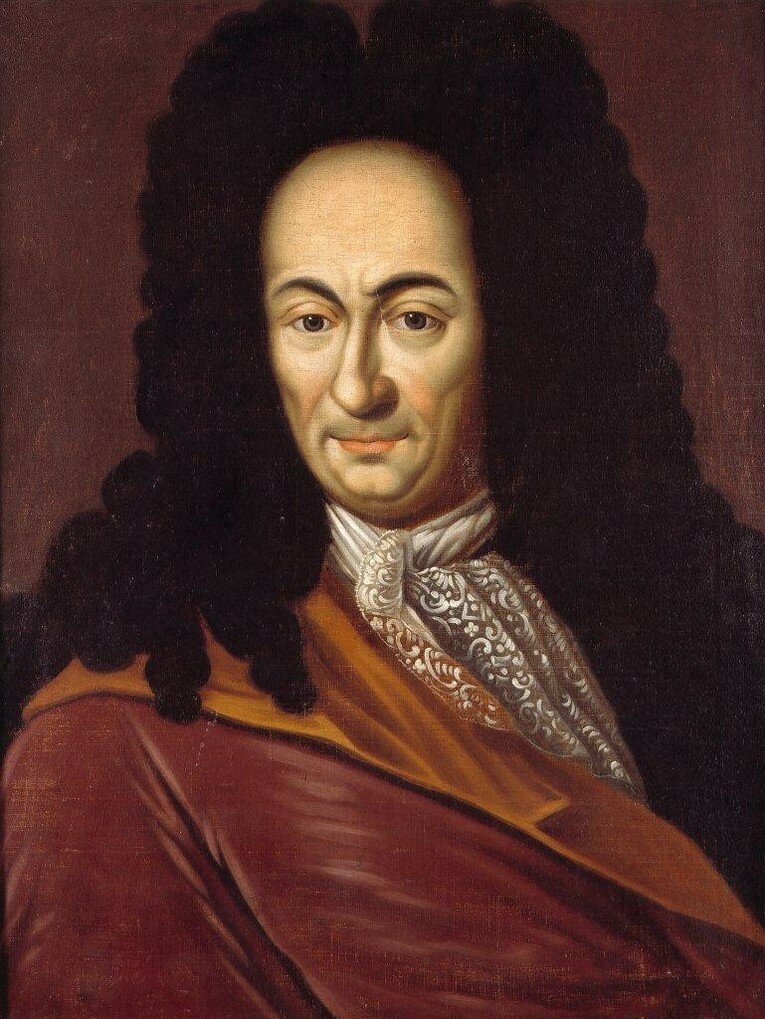
Rewind two centuries. Long before Babbage, long before steam, the same ancient appetite for mechanizing the mind was already stirring — in the Baroque.In 1642, at nineteen...
By the early 1800s, the Industrial Revolution had already proven something remarkable: steam and gearwork could replace human muscle at scale.Joseph-Marie Jacquard's loom (1801)...
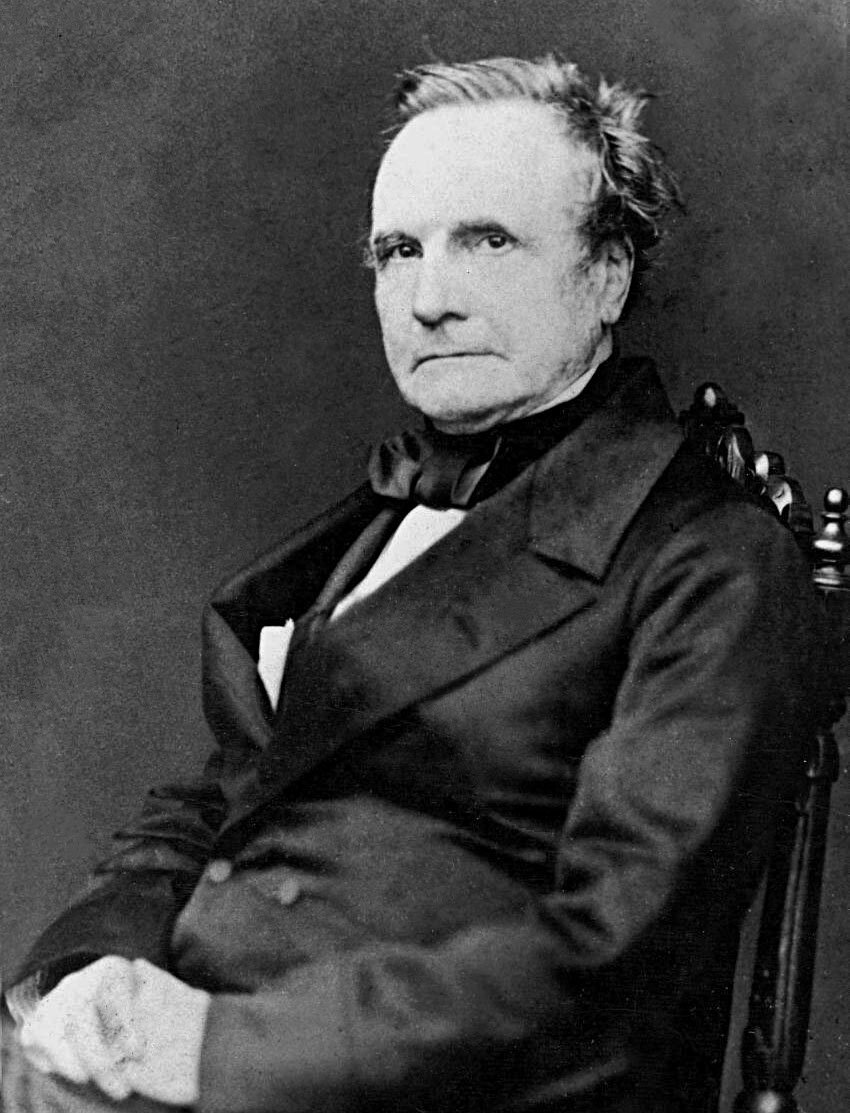
Charles Babbage (1791–1871) — mathematician, philosopher, mechanical engineer, and by most accounts a thoroughly restless Victorian gentleman.His Difference Engine w...
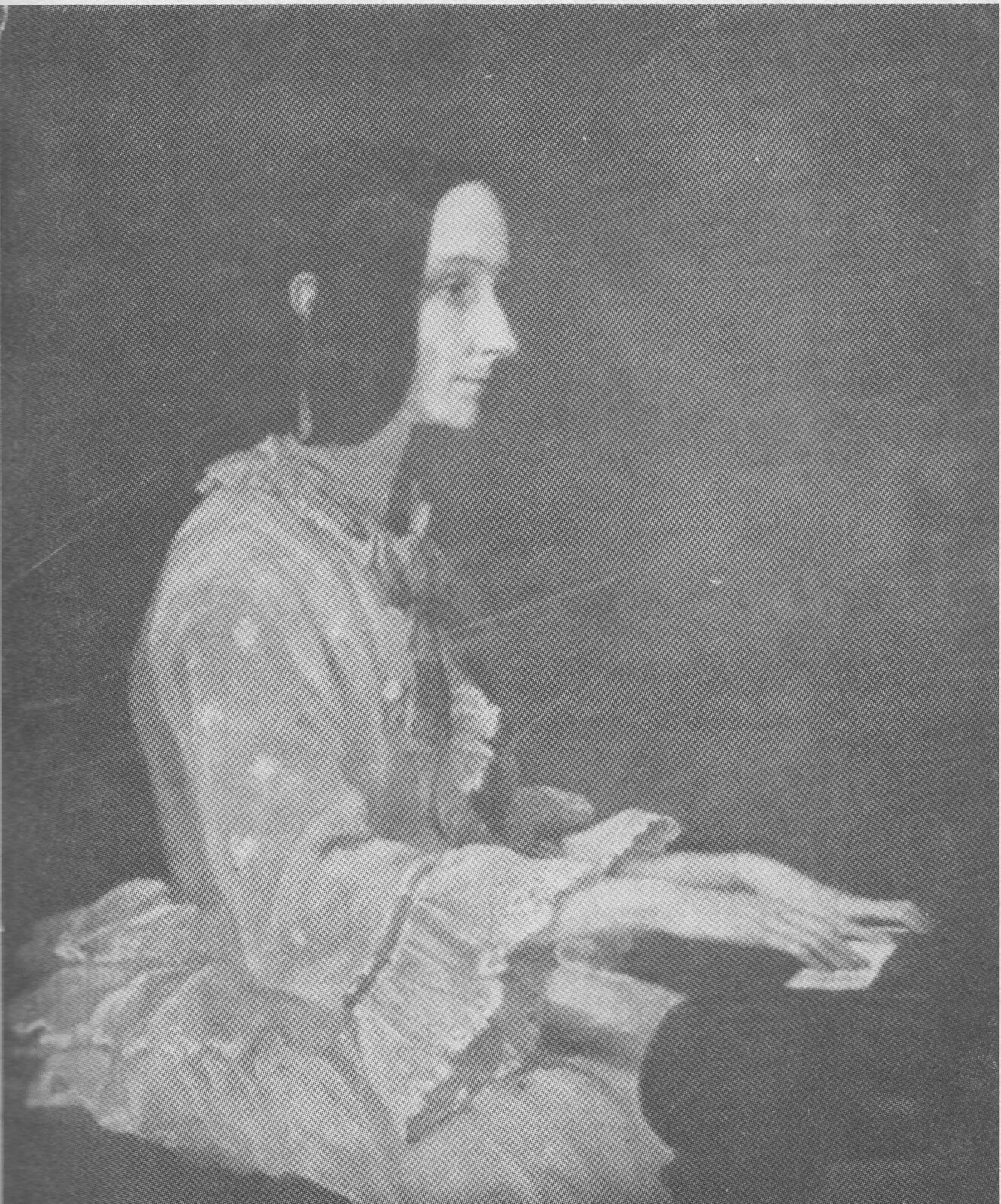
Augusta Ada King, Countess of Lovelace (1815–1852), daughter of Lord Byron, was trained rigorously in mathematics from childhood — and became Babbage's closest intel...
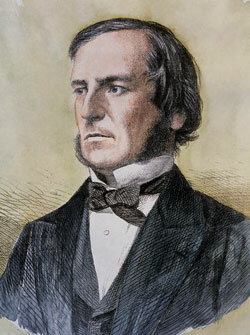
One more figure worth knowing, even briefly: George Boole (1815–1864), who in 1854 published The Laws of Thought — reducing logical reasoning itself to a kind of alg...
Today: a definition, a history, a name.Next week: Alan and his Enigma — the story of Alan Turing, his machine(s), and his test(s).We'll meet the Turing machine that finall...