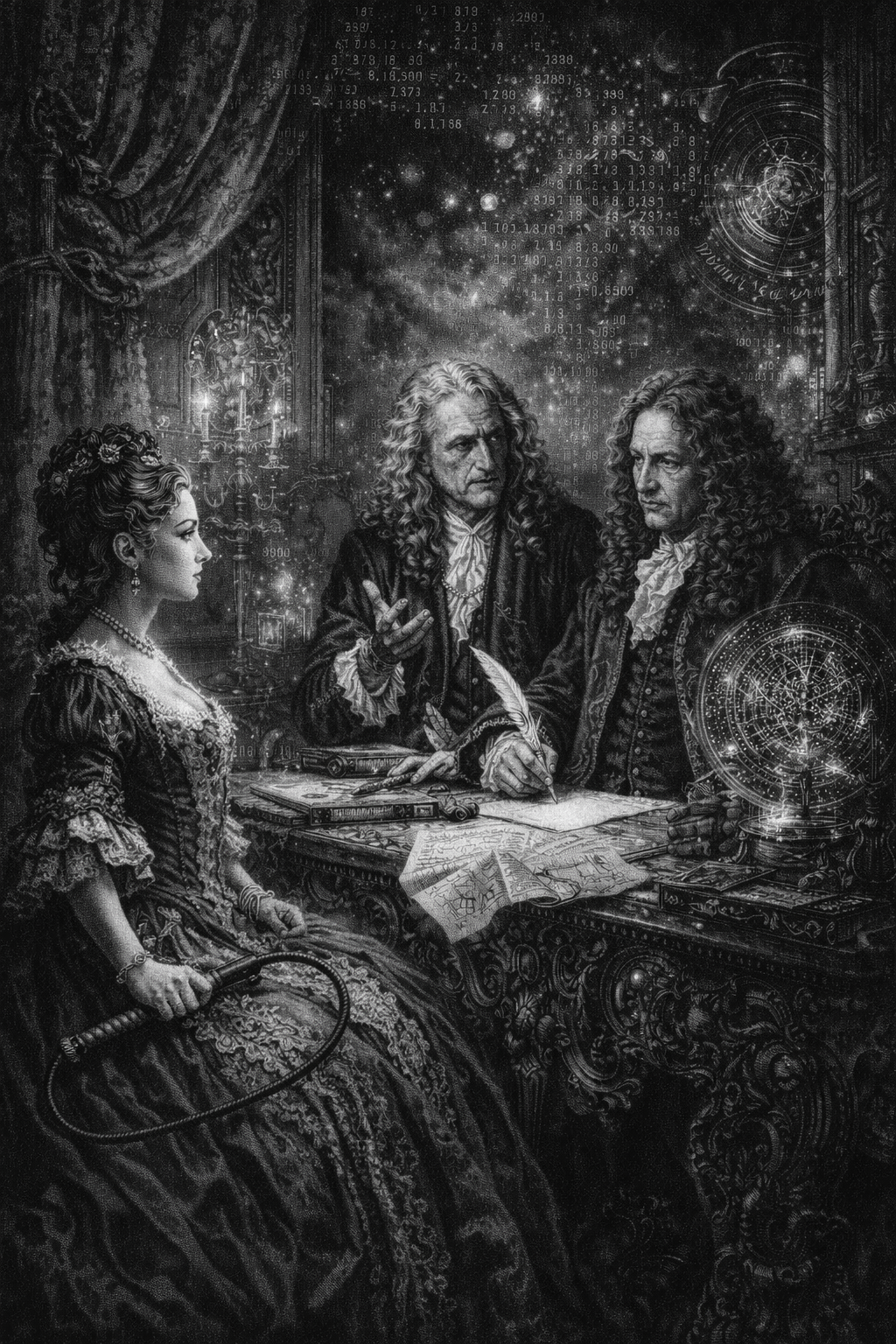
Rewind two centuries. Long before Babbage, long before steam, the same ancient appetite for mechanizing the mind was already stirring — in the Baroque.
In 1642, at nineteen, Blaise Pascal built the Pascaline to help his father with tax calculations — a gear-driven adding machine, among the first of its kind ever built and sold.
A generation later, Gottfried Wilhelm Leibniz — one of the last true polymaths, equally at home in philosophy, law, and mathematics — went further still, designing the Stepped Reckoner: a machine that could multiply and divide, not merely add and subtract.
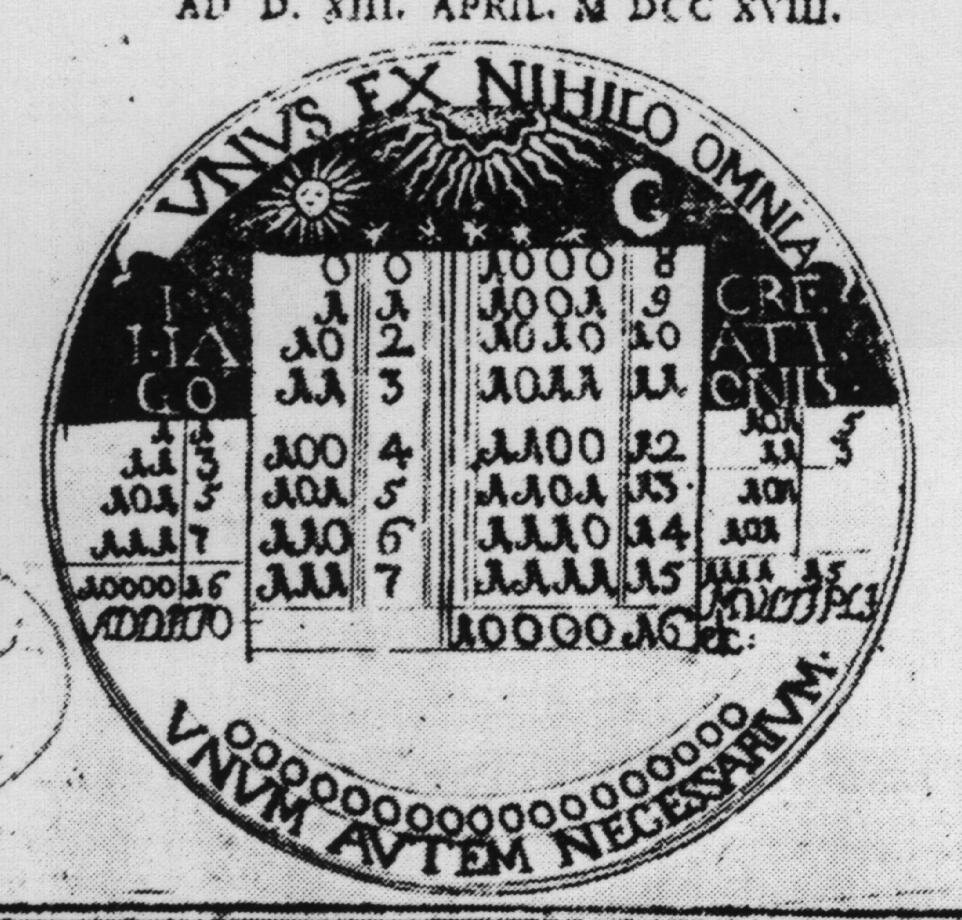
Leibniz wanted more than a calculator. He dreamed of a calculus ratiocinator — a universal symbolic method by which any dispute, of any kind, could in principle be settled by calculation alone: "Let us calculate."
Cogs and steam would eventually belong to Babbage's century. But the dream — that reasoning itself might be mechanized — is, properly speaking, Baroque.